Field report · Sian Kaan, Mexico
The reserve south of Tulum
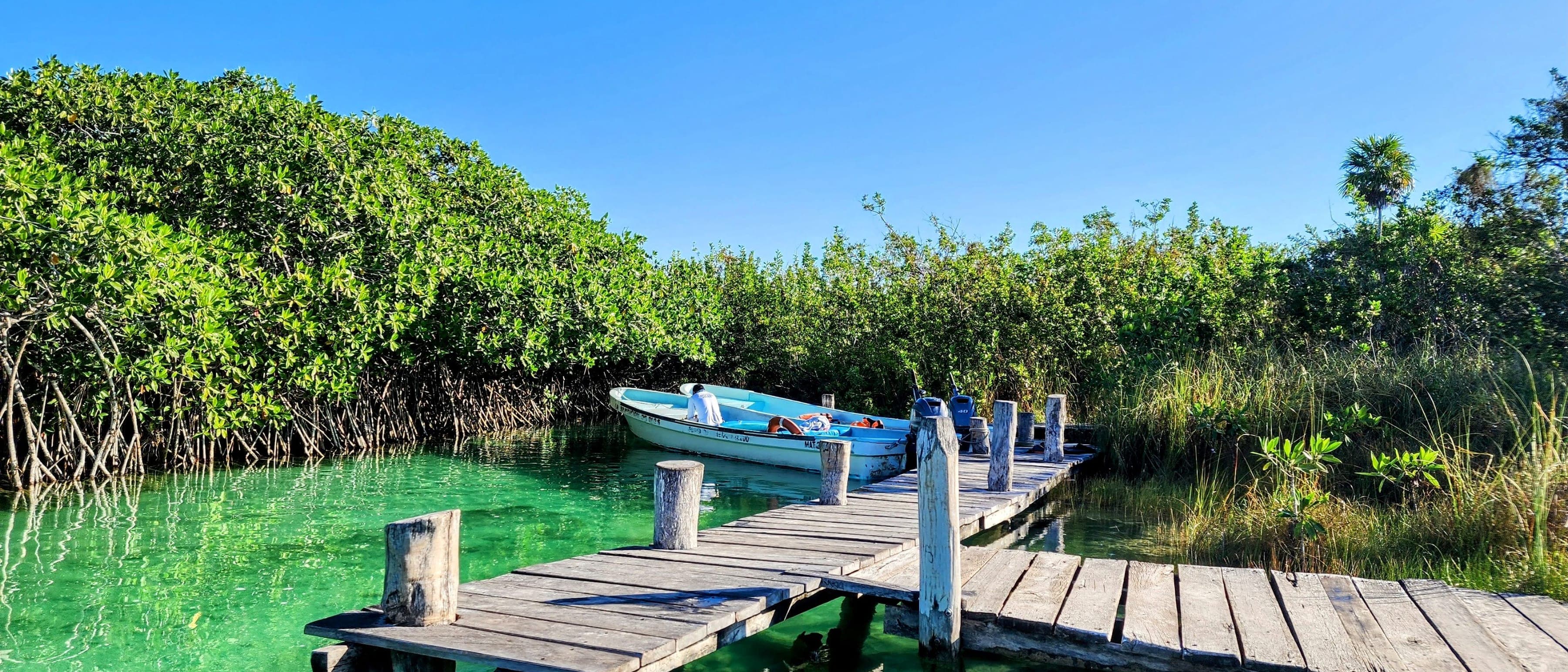
One point three million acres of mangrove, lagoon and reef, twenty minutes past where the hotel zone stops.
Sian Ka'an, Mexico
Sian Kaan starts a short drive south of Tulum and covers over 1.3 million acres. It has been a UNESCO World Heritage Site since 1987, and it is the answer to the question of what the coast looked like before the coast road.
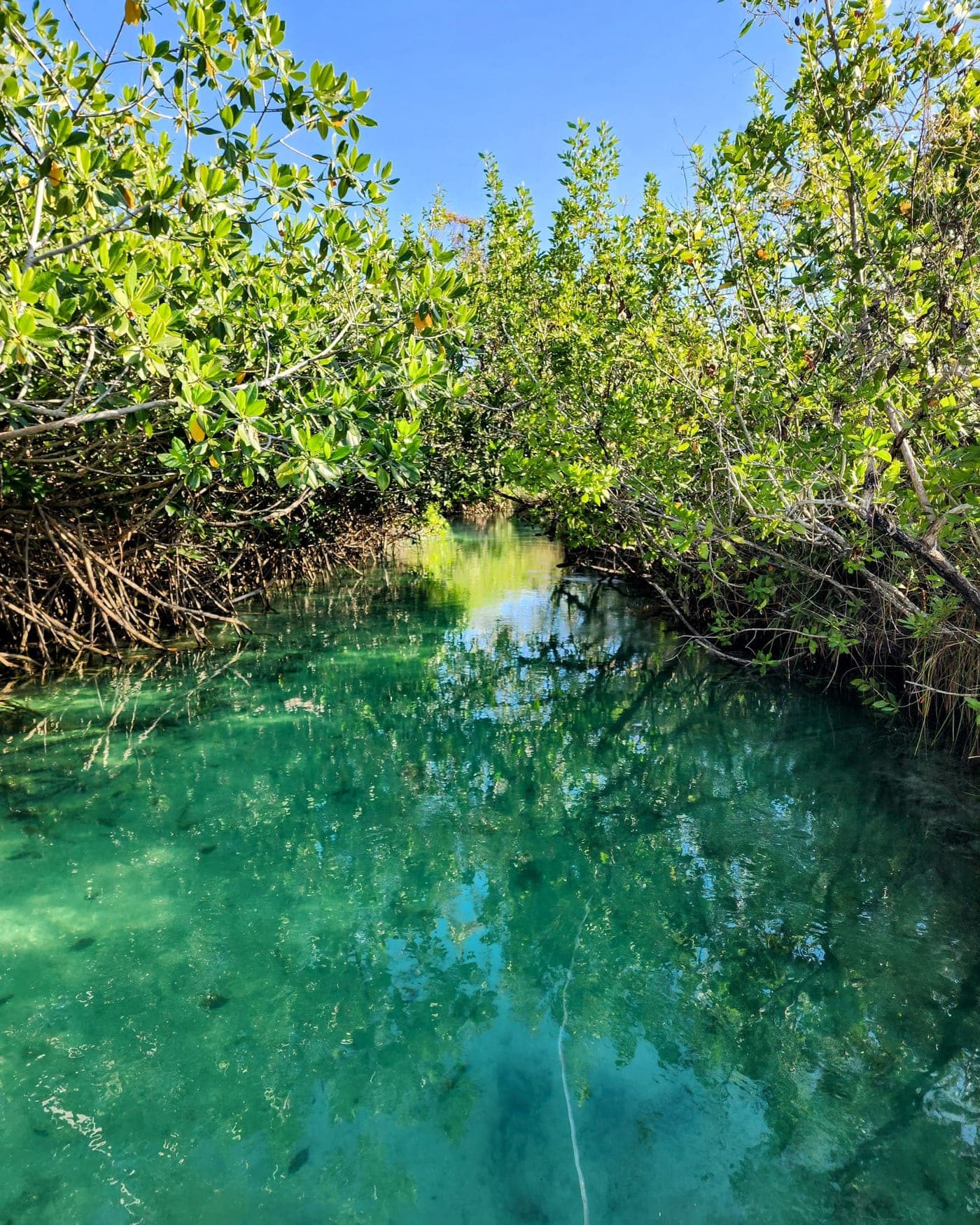
The range of ecosystems inside it is the point. Rainforest, mangrove, lagoon and coral reef, plus cenotes and wetlands, all inside one boundary. That variety supports over 350 bird species, around 100 mammal species, and a long list of reptiles and fish.
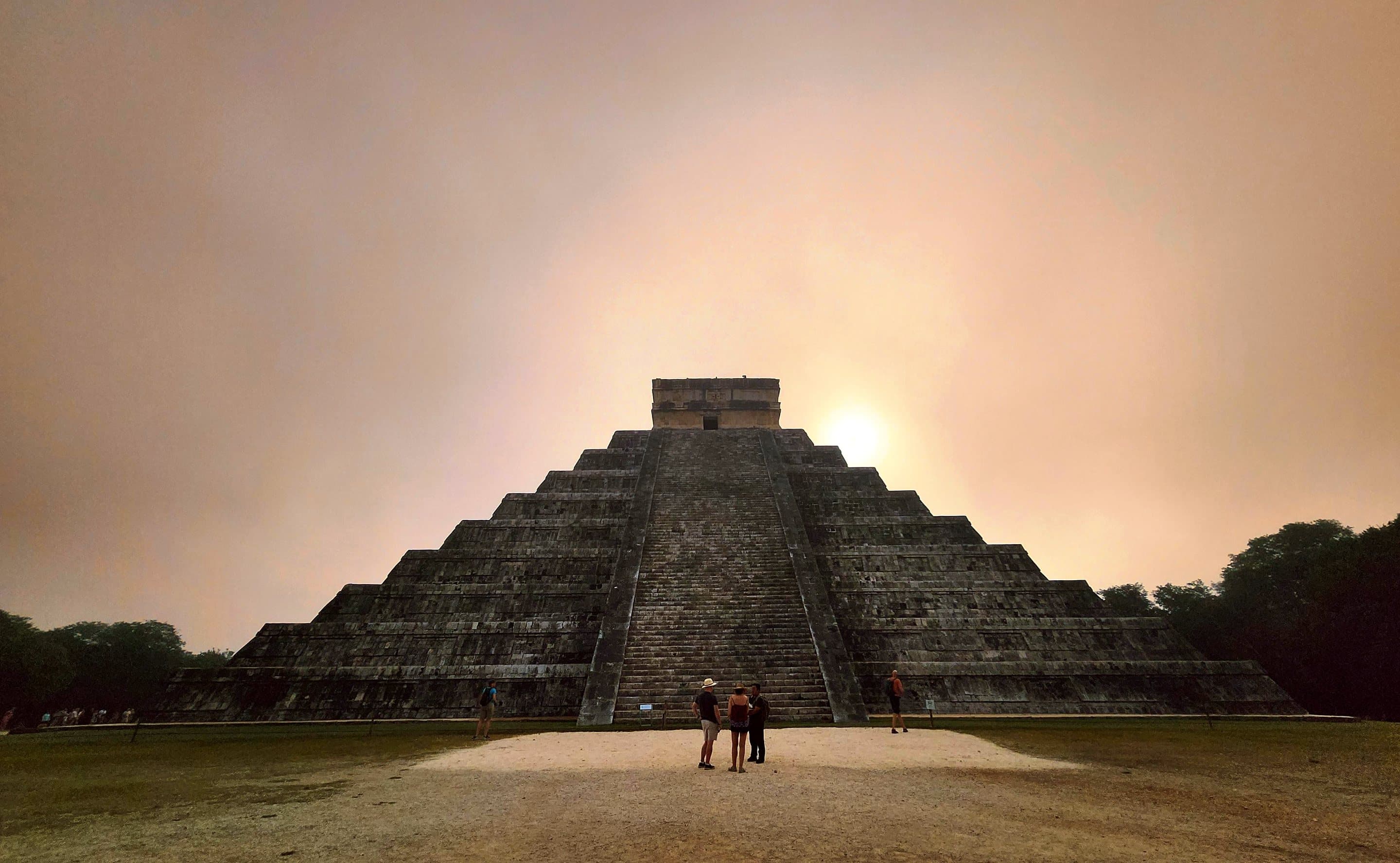
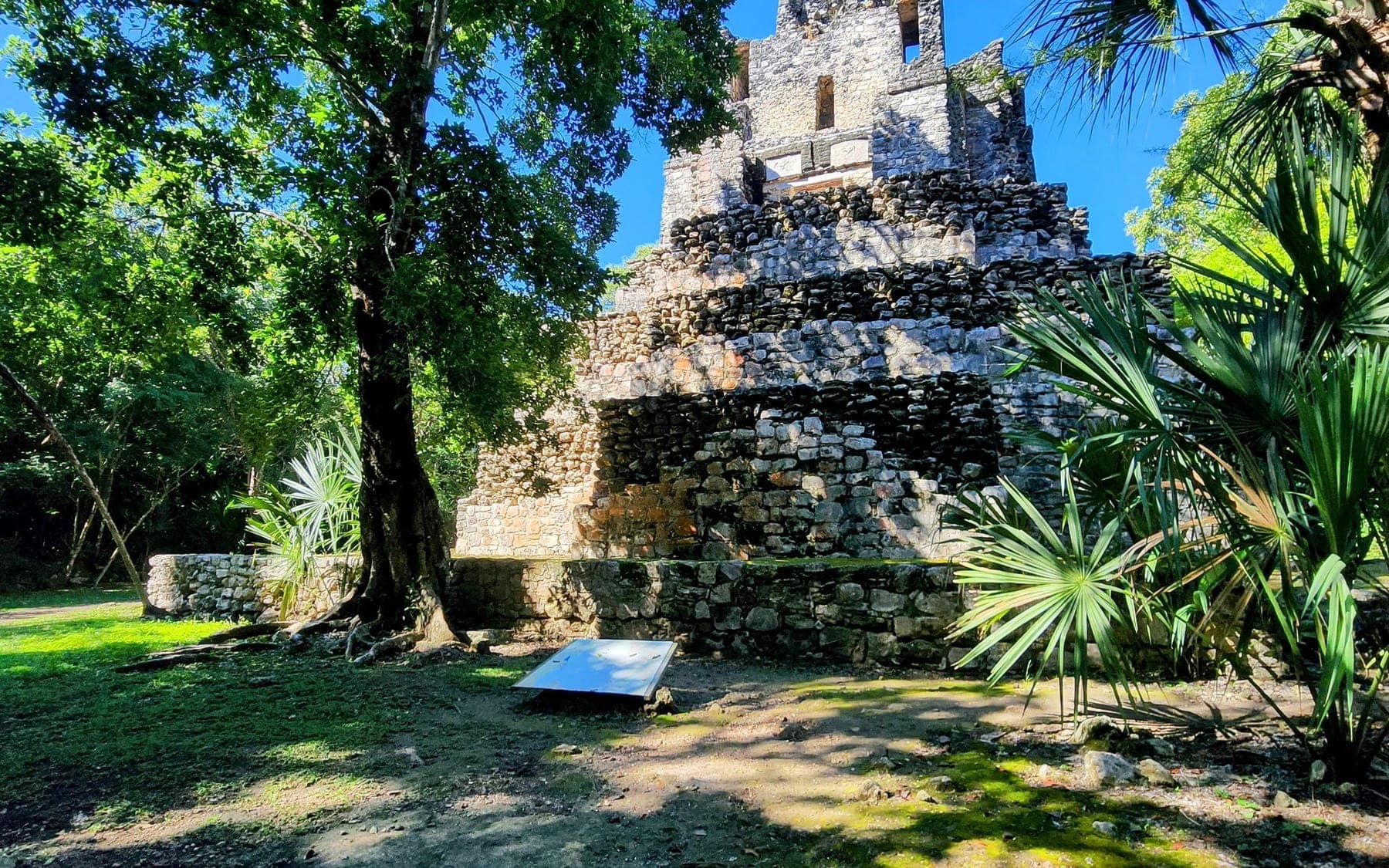
It also holds Maya sites. Muyil, a ceremonial centre, sits within the reserve, and the Tulum ruins themselves are on its edge. Having archaeology and biosphere in the same place makes for a fuller day than either alone.
The practical way in is a guided tour. The reserve is large, much of it is water, and the difference between a guide and no guide here is the difference between seeing a mangrove and understanding one.
“Rainforest, mangrove, lagoon and reef inside one boundary, twenty minutes past where the hotel zone stops.”
From the journalWhat to do inside it
Boat tours through the lagoons and mangrove channels are the core of it. Birdwatching is exceptional given the species count. There is snorkelling on the reef sections and kayaking in the calmer water.
There are guided walks through rainforest and wetland for people who would rather be on foot, and a research and education centre with exhibits worth half an hour before or after.
How it fits a Tulum trip
It is close enough that it does not need to be a production. A day is enough to get a real sense of it, and it is the single best counterweight to a beach week, which is what most people are in Tulum for.
Pair it with Muyil rather than treating the ruins as a separate outing. They are inside the same reserve and the same day.
If you have a week on that coast, give one day of it to Sian Kaan. It is the day people talk about afterwards.
From the journal · The Travelling T · Written December 2022